
Make Every Experiment Count: Honest Post‑Mortems and Smarter Iterations

Today we dive into the subject of running post‑mortems and iterations on short‑term self‑experiments. You will learn how to capture reliable evidence, extract practical insights, and design the very next test with less bias, clearer metrics, and more momentum toward meaningful personal change.

Design Short Tests That Actually Teach You Something

{{SECTION_SUBTITLE}}

Frame a falsifiable hypothesis
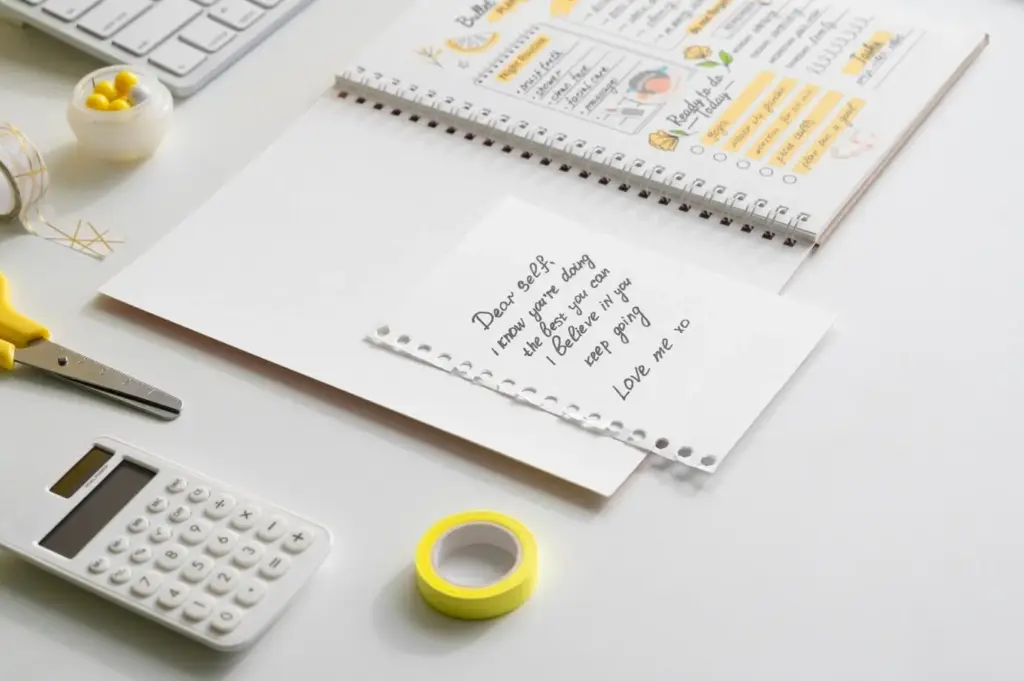
Write a statement that could be proven wrong, and include a timeframe and measurable change. For example, “Replacing late‑night scrolling with a twenty‑minute walk after dinner will reduce average sleep onset latency by fifteen minutes within ten days.” This phrasing narrows interpretation, guides data collection, and limits the tendency to retrofit explanations after results appear.

Choose a single primary metric

Select one metric that decides success and keep secondary metrics clearly labeled as exploratory. This counters the garden‑of‑forking‑paths effect where you chase whichever number looks good. A single decision metric focuses effort, clarifies trade‑offs, and simplifies your eventual post‑mortem by anchoring conclusions to one consistent yardstick rather than shifting goalposts.

Run Candid Post‑Mortems Without Excuses

Reconstruct the story alongside the numbers

Pair your chart with a timeline of notable moments: travel days, social events, headaches, device glitches, missed logs, or exceptional motivation. Narrative context protects against misleading averages and shows when the intervention truly influenced behavior. You will spot pattern breaks faster and avoid pretending that neat statistics explain messy, lived, human details.

Name confounders and uncertainties explicitly

List anything that could have influenced outcomes: caffeine changes, illness, daylight savings shifts, poor sleep, new supplements, stress spikes, or measurement errors. Admit where data is incomplete or assumptions stretched. Explicit uncertainty does not weaken conclusions; it strengthens credibility and guides what to control, randomize, or monitor more carefully during the next run.

Separate process mistakes from result variance

Distinguish predictable randomness from preventable errors. A disappointing metric might be normal fluctuation, while skipping planned sessions is a process breakdown. Label each issue accordingly, then fix process gaps first. This mindset turns judgment into engineering: shore up reliability, keep expectations realistic, and ensure future results reflect the intervention rather than operational noise.

Iterate From Insight to Next Prototype

A good post‑mortem ends with action. Translate observations into concrete adjustments and launch a smaller, sharper follow‑up test. Preserve what worked, remove what didn’t, and change only a few elements at once. Each loop should demand less willpower, increase signal quality, and bring you closer to a reliable, sustainable behavior pattern.

Distill three actionable changes

Summarize the most forceful levers you found, phrased as specific behaviors to start or stop. Avoid vague intentions like “try harder.” Instead write, “Set a 9:30 p.m. lights‑out alarm,” “Prepare oat packets before dinner,” and “Place phone in kitchen.” Clear, verifiable actions convert insight into the next measurable improvement without ambiguity.

Design the smallest next test

Shrink the scope until success is almost embarrassingly easy. Reduce duration, narrow the metric, or run on weekdays only. Small tests finish quickly, expose problems early, and protect morale. By lowering logistical friction, you will actually complete more cycles, compound learning faster, and avoid stalling in overly ambitious, never‑ending experimental marathons.

Lightweight Tools and Repeatable Templates

You do not need complicated software to learn quickly. Use a one‑page brief, a two‑minute daily check‑in, and a simple chart that answers a single question. Standardized templates shorten setup time, ensure consistency across runs, and make it easy to share your method for feedback and accountability with supportive peers.

One‑page experiment brief you can fill in five minutes

Include problem statement, hypothesis, primary metric, duration, inclusion and exclusion rules, data sources, potential confounders, and stop conditions. Keep it brutally concise. The point is alignment, not perfection. A short brief prevents scope creep, clarifies expectations, and gives you a reference when fatigue tempts improvisation that undermines trustworthy evidence and future learning.

Daily check‑ins that take less than two minutes

Log the primary metric, a quick adherence score, and one sentence about context. Set an alarm or attach logging to an existing routine like brushing teeth. The brevity keeps compliance high. Consistent, light touches beat sporadic, heavy logging and create a clean, analyzable time series without turning your day into administrative overhead.

A simple dashboard that answers one question

Build a single view that compares baseline to intervention and shows adherence. If the graph cannot tell you in ten seconds whether the experiment probably helped, simplify it. Limit colors, reduce chart junk, and annotate significant days. Clarity speeds decisions, avoids overinterpretation, and invites friends to review without deciphering complex analytics.

Stories From the Field: Short Personal Trials

Real experiences turn abstract advice into something memorable. These compact trials across sleep, focus, and nutrition illustrate how honest retrospectives paired with quick iterations can compound into substantial changes. Notice the imperfections, candid surprises, and adjustments that transformed decent ideas into workable habits with far less friction than expected.

01

Two sugar‑free weeks that rewired late‑night cravings

Baseline snacking hit hardest after 10 p.m. The plan replaced dessert with herbal tea and added protein at dinner. The first week felt tense; headaches and social pressure spiked. Post‑mortem showed cravings dropped when protein exceeded thirty grams. Next iteration emphasized meal timing, not willpower, producing steadier energy and calmer evenings without dramatic deprivation.

02

Seven mornings of earlier light exposure improved sleep depth

The intervention was a fifteen‑minute outdoor walk within an hour of waking. Wearable data showed modest improvements, but the journal revealed an important detail: evening phone use fell because mornings felt more structured. Post‑mortem split effects: circadian anchoring plus behavioral cascade. The follow‑up isolated evening light hygiene to test additive benefits cleanly.

03

A focused‑work cadence that beat afternoon slumps

Instead of long blocks, the protocol used four twenty‑five‑minute sprints before lunch with a strict, device‑free walk between pairs. Output rose, but perceived effort decreased. The review found the walk reset rumination. Next iteration preserved movement, shortened sprints to twenty minutes, and improved maintainability, eliminating late‑day crashes without caffeine escalation or weekend spillover.

Avoid the Traps That Waste Your Effort

Progress stalls when novelty, noise, or ego lead the process. Guard against changing many variables at once, switching metrics midstream, or stretching interpretations beyond the evidence. Design for reliability, not drama. When in doubt, simplify the plan, slow the conclusions, and let another small cycle teach you more.

Share, Reflect, and Invite Accountability

Public reflection helps ideas mature. Summaries, dashboards, and candid lessons encourage feedback that improves your next design. Protect privacy, but share enough for others to learn. Ask readers to challenge assumptions, suggest metrics, or propose constraints. Collaboration turns solitary trials into a supportive, evolving practice of evidence‑based personal improvement.

Write a public memo that respects privacy yet teaches

Focus on decisions, levers, and results rather than sensitive details. Include your brief, charts, and a few challenges you faced. Close with what you plan to try next and why. Useful transparency invites thoughtful responses and creates a record that future‑you can revisit when motivation dips or memory distorts uncomfortable truths.

Ask for peer review on your design before you start

Share your hypothesis, metric, and stop conditions with a trusted friend or community. Invite critiques about confounders, feasibility, and adherence risks. Early review catches preventable flaws and builds commitment. When others expect an update, you are more likely to follow through and less tempted to silently edit criteria during rough patches.

Join our list and send your next‑step commitment

Subscribe to receive lightweight templates, real‑world case studies, and monthly prompts. Reply with your next experiment’s one‑page brief, and we will send a supportive checklist. Declaring intentions to a friendly audience increases follow‑through, sparks helpful conversations, and keeps the iterative spirit alive long after the initial burst of excitement fades.
Xizatuvozamemoronuki
Privacy Overview

This website uses cookies so that we can provide you with the best user experience possible. Cookie information is stored in your browser and performs functions such as recognising you when you return to our website and helping our team to understand which sections of the website you find most interesting and useful.